
 What causes gum disease to lead to tooth loss, and how can early treatment prevent it?
Vitangeli Dental provides gum disease treatment to patients throughout Englewood and Dayton, and Drs. Louis and Dominic Vitangeli see the same story play out often: a small symptom like bleeding gums gets ignored until it becomes a much bigger problem. What starts as mild irritation can quietly progress into a condition serious enough to cost you your teeth. Understanding how gum disease develops, and knowing the treatment options available today, can make all the difference between saving your smile and losing it.
What Is Gum Disease?
Gum disease has two stages. Gingivitis, the milder and reversible form, causes red, swollen, or bleeding gums, often during brushing or flossing. Left untreated, it can progress into periodontitis, a more severe and irreversible condition. According to the CDC, nearly half of U.S. adults over 30 have some form of gum disease, making it far more common than most people assume.
How Gum Disease Progresses Into Periodontal Disease
Gingivitis becomes periodontal disease when plaque and bacteria spread below the gumline. Over time, this breaks down gum tissue and the bone supporting your teeth. Unlike a cavity, periodontal disease often causes little to no pain until significant damage has already occurred, which is why early detection matters so much.
The Consequences of Untreated Periodontal Disease
Untreated periodontal disease triggers a domino effect: gums recede, teeth loosen, and eventually, tooth loss occurs. Periodontal disease has also been linked to systemic health issues like heart disease and diabetes. A patient who dismisses occasional bleeding gums as minor may find themselves facing loose teeth just a few years later, simply because the early warning signs went unaddressed.
Catching It Early With OralDNA Testing
Vitangeli Dental offers OralDNA salivary diagnostic testing, an advanced tool that identifies bacterial DNA linked to periodontal disease before visible damage appears. This allows Drs. Vitangeli to catch problems early and recommend less invasive, more effective treatment.
Non-Surgical Gum Disease Treatment Options
When caught early, gum disease treatment often does not require surgery. Scaling and root planing, commonly known as deep cleaning, removes plaque and bacteria from below the gumline. Antimicrobial therapies and localized antibiotics may also be used to control infection and support healing.
Preventing Gum Disease Before It Starts
Consistent brushing and flossing, along with regular dental checkups, form the foundation of gum disease prevention. A balanced diet, adequate rest, regular exercise, and avoiding tobacco and excessive alcohol also play a meaningful role in protecting your gum health.
When Tooth Loss Occurs: The Path to Dental Implants
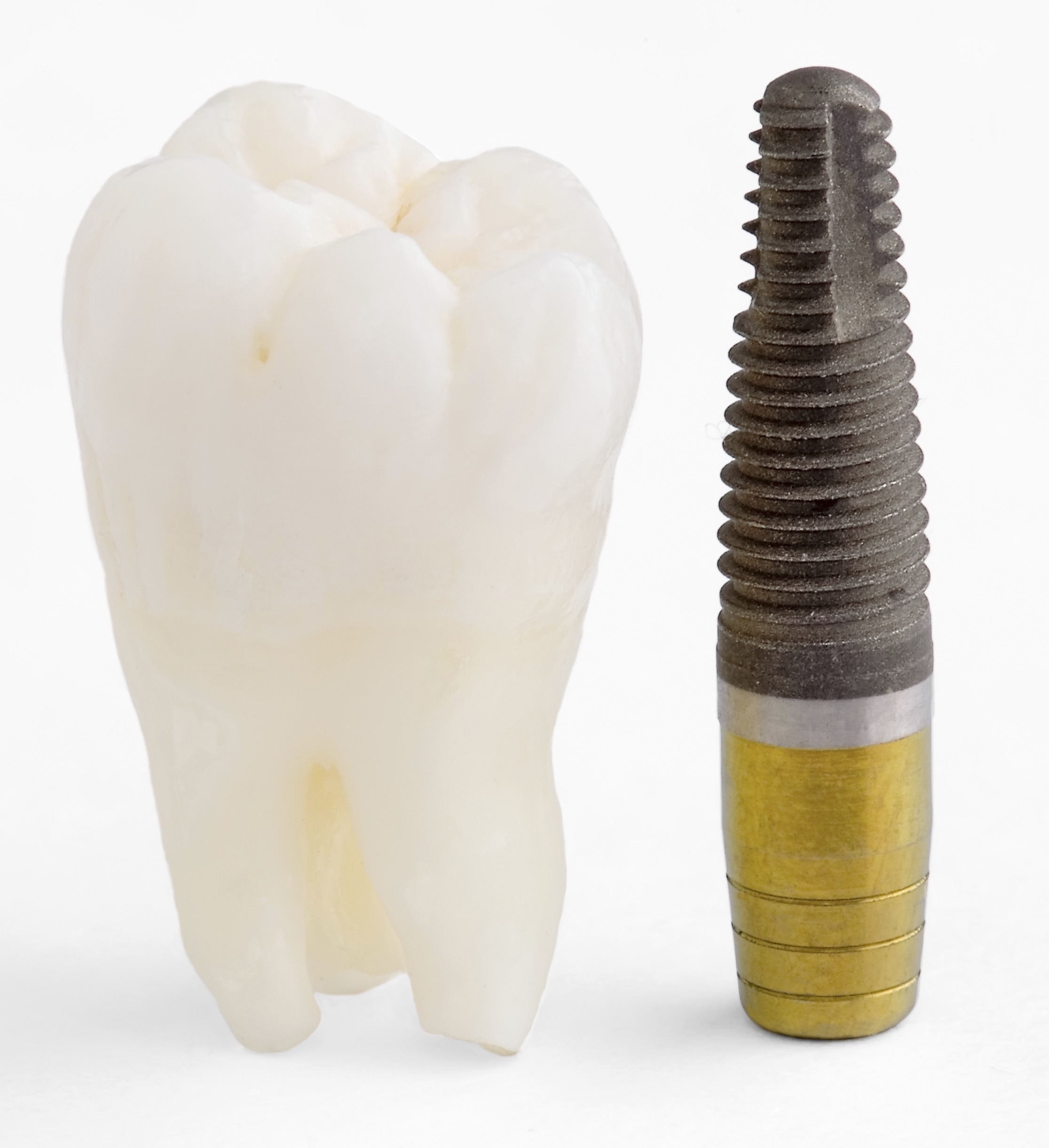
Sometimes, despite treatment, advanced periodontal disease makes tooth loss unavoidable. Dental implants offer a durable, natural-looking solution for replacing missing teeth. Drs. Louis and Dominic Vitangeli take a personalized approach to implant placement, tailoring treatment to each patient’s needs and goals.
Protect Your Smile Before It’s Too Late
Gum disease rarely announces itself loudly, but its consequences can be severe if ignored. From early gingivitis to advanced periodontal disease and eventual tooth loss, early intervention changes the outcome at every stage. If you’re in Englewood or Dayton, schedule a checkup with Vitangeli Dental today to protect your gum health or explore your dental implant options.
Contact Vitangeli Dental:
937-836-3565
Location (Tap to open in Google Maps):
320 Union Blvd
Englewood, Ohio
45322